
Your emotions are data. They tell you what’s happening around you. When you numb emotions, the problem stays. You just lose the signal.
One of the most common things I see in therapy is people believing that if they stop feeling something, they’ve dealt with it. In reality, the feeling is still there, just pushed down and harder to recognise.
Emotions Are Your Body’s Response to the Outside World
Physical sensation works as a feedback system. When you pour hot water on your skin, it burns. When you touch ice, you feel the cold. These reactions follow what your body is experiencing in the moment.
Emotions work on the same principle.
A feeling inside you is usually a signal that something outside has triggered a response in your brain. For example, you might tear up during a touching moment or smile when you hear good news. Your nervous system is constantly scanning your environment and turning these experiences into emotional signals to help you stay oriented.
That data is useful as a source of information about your needs, your boundaries, and the way your mind and body are responding in the moment.
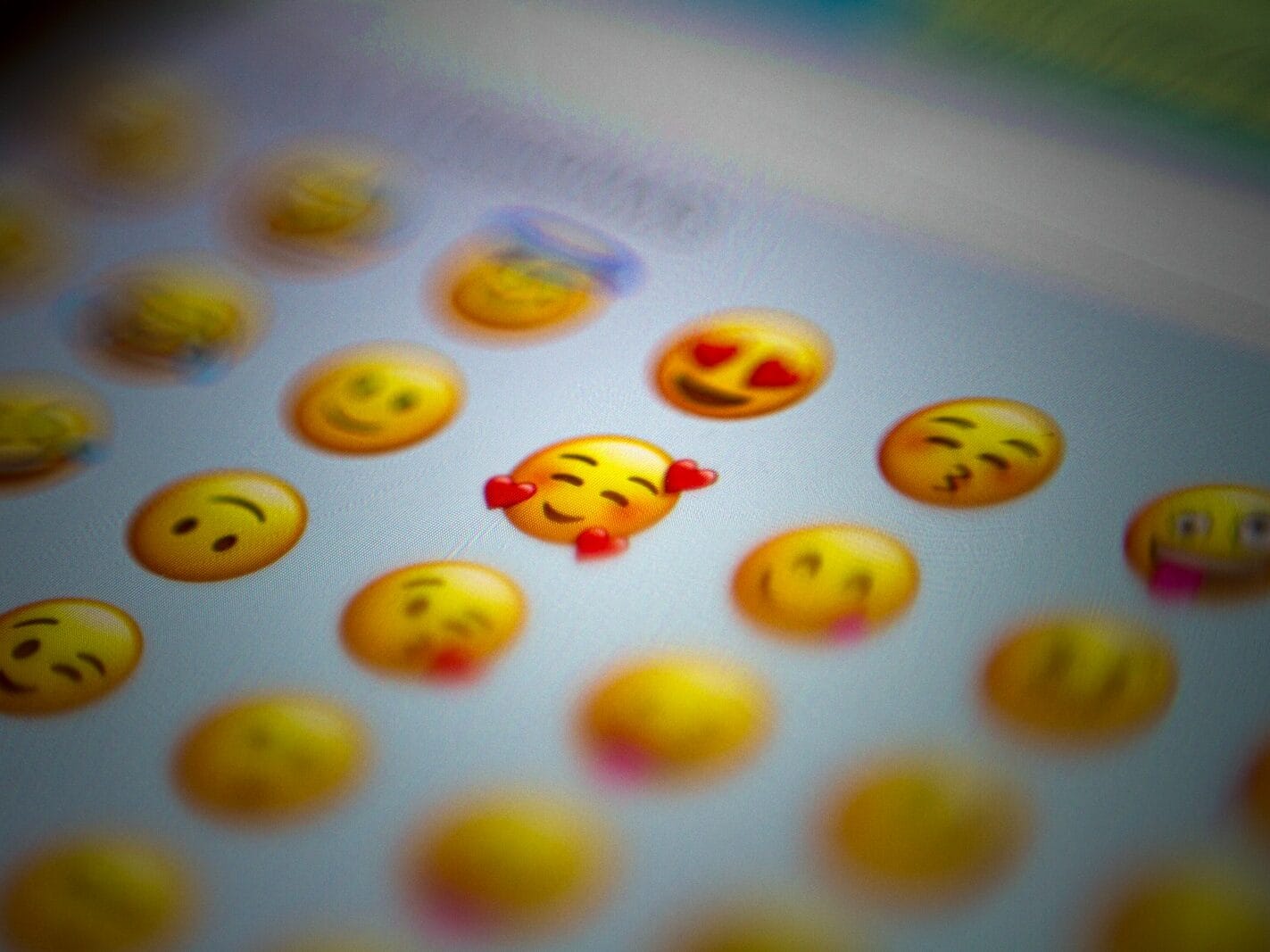
What Actually Happens When You Try to Numb Emotions
Repeated exposure to something can dull your reaction to it. Over time, what once felt intense becomes more familiar. You might reach for a hot pan without flinching after doing it enough times. Spicy food that once felt overwhelming starts to feel mild. A sad movie that once moved you deeply can eventually feel like just another story.
This is habituation — a normal neurological process.
The problem is that people apply this logic to emotional pain. “If I just stop letting things get to me, I’ll be fine.”
But numbing changes what you can sense, not what is actually there.
Not feeling something doesn’t mean it’s gone. If you lose your sense of heat, the fire is still there. You’ve just lost the ability to detect the burn. The same goes for emotional pain: repeated exposure to hurt or disappointment doesn’t eliminate those responses. It makes them harder to recognise when they’re triggered.
Why We Repeat Patterns In Relationships
This is where it starts to differ: Physical senses only inform you. Emotions do more than that. They shape how you think and what you do next.
When you lose track of what your body is signalling, reactions start running on autopilot. This can show up in everyday life in very specific ways. You might shut down in conversations without knowing why. You might feel floored by something that looks small from the outside. You might stay in situations that keep costing you, without being able to explain why leaving feels impossible.
This is what happens when old coping strategies outlive their usefulness.
Avoidance, suppression, distraction, the urge to numb emotions began as survival strategies to avoid conflict, rejection, or disappointment. But when they become the default, you lose the ability to track what’s actually triggering you, or recognise when something needs to change in your life.
What Emotional Healing Is
Most people picture healing as the moment pain stops. That is not really what it is.
Healing is developing enough awareness to understand what is happening inside you, so you can respond rather than react. It creates space between what you feel and what you do next. In that space, you are no longer trying to shut things down immediately. Instead, you start to understand what your reactions are pointing to.
In daily life, this shows up in small but important ways. You might notice your body tightening in certain conversations. You start to see patterns in how you feel around specific people or situations. Over time, you relate to these signals with more curiosity instead of dismissing them or pushing through them.
This is how decisions begin to change. You stop reacting on autopilot and start choosing responses that are more aligned with what you actually need.
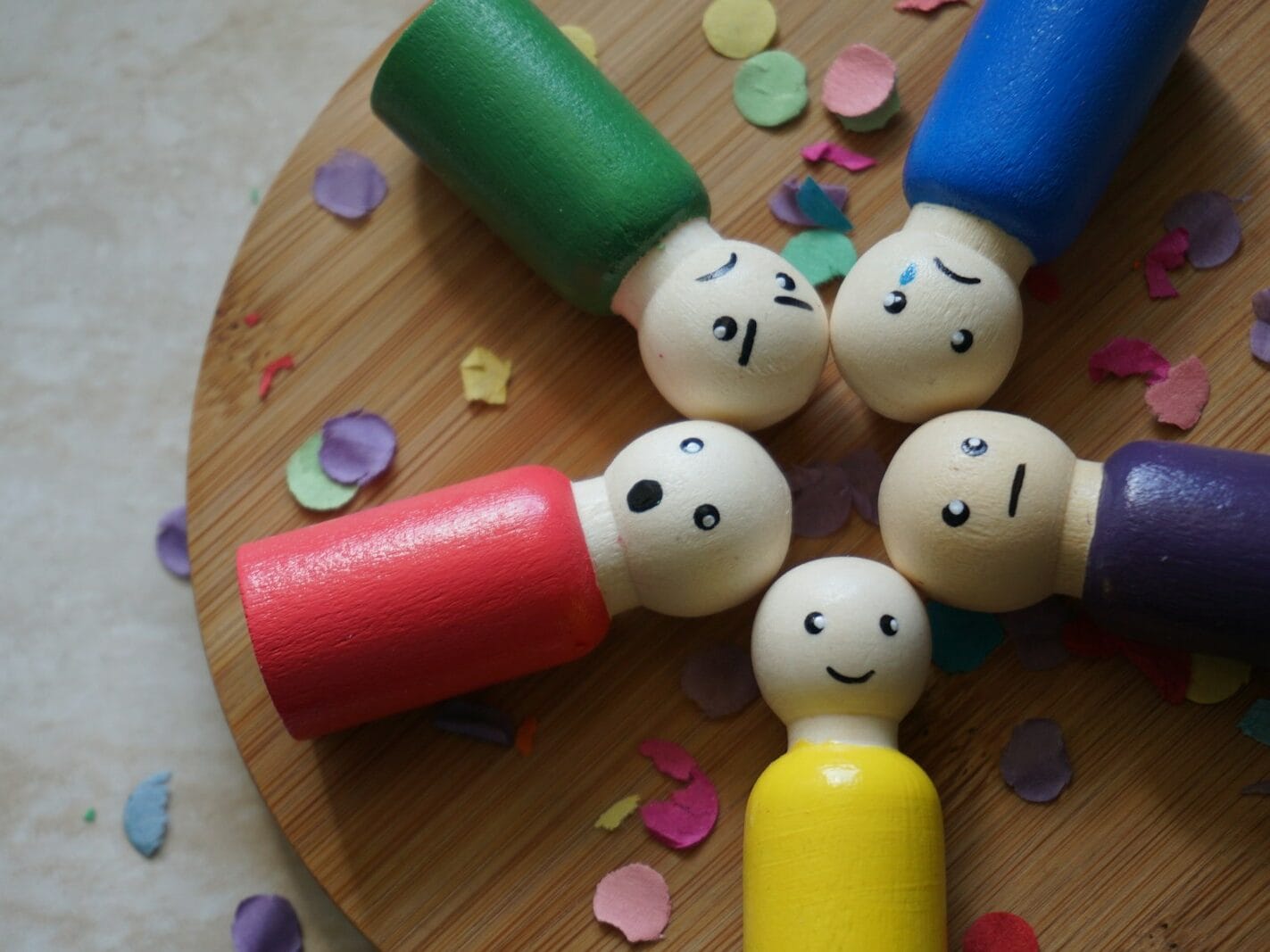
Understanding Emotional Responses
If a relationship keeps hurting you, if a pattern keeps repeating, if you keep ending up drained by the same situations, then numbing yourself to it isn’t the answer.
The question is: what is it trying to show you? What’s the one change you can do to make things different?
Your emotions are a signal system. Learning to read them, rather than override them, is some of the most important work you can do for your mental health.
If any of this resonates with you and you’d like to explore whether therapy could help, feel free to reach out via my Whatsapp or through this booking form!
P.S. I go live on TikTok to talk about mental health and therapy — the real, unfiltered conversations. Follow along and come say hi.